Why You Feel Hungry an Hour After Eating — And the Simple Daily Habit That Helps You Feel Full Sooner
You finish a real meal, you're satisfied — and then, somehow, an hour later you're rummaging through the kitchen again. If that sounds familiar, you're not lacking willpower. Appetite is driven by chemistry, not character. Once you understand the signals behind hunger and cravings, the whole battle starts to make a lot more sense — and gets a lot easier to manage.
In this explainer we'll walk through how appetite actually works — the hunger hormones, the blood-sugar swings, and why "just eat less" so rarely sticks. Then we'll look at one simple daily habit a lot of people are using to support natural appetite control and feel full sooner — without turning every meal into a negotiation.
First, the part nobody tells you: it isn't willpower
When you feel that pull toward a snack, it's easy to read it as a personal failing. But hunger is mostly a set of biological signals your body sends whether you "decide" to be hungry or not. Two hormones do most of the talking. Ghrelin is the "I'm hungry" signal — it rises before meals and tells your brain to seek food. Leptin and a family of fullness signals do the opposite — they're the "I've had enough" message that tells your brain to ease off.
The catch is timing. Those fullness signals can take roughly 15–20 minutes to fully register after you start eating. So you can finish a plate before your brain has actually caught up — which is one reason you can feel hungry again surprisingly fast. It isn't a discipline problem. It's a signaling lag.
How appetite actually works
- Hunger hormones fire first. Ghrelin rises and tells your brain to look for food — often on a schedule, not because you truly need fuel.
- You eat — but fullness lags. The "I'm satisfied" signals take time to build, so it's easy to keep eating past the point your body needed.
- Blood sugar spikes, then dips. Fast-digesting meals push blood sugar up quickly; the rebound dip an hour or two later reads to your brain as hunger — even when you've eaten plenty.
- Cravings pile on. That dip, plus stress, poor sleep, and habit, nudges you toward quick energy: sugar, refined carbs, the snack drawer.
- The cycle repeats. Snack, spike, dip, crave — and the whole thing feels like a willpower failure when it's really a chemistry loop.
The blood-sugar rollercoaster
Here's the piece that ties it together. When a meal sends blood sugar up fast, your body answers with a surge that brings it back down — sometimes a little too far. That post-meal dip is often misread by the brain as genuine hunger. So you reach for a snack, the spike-and-dip happens again, and the cravings keep coming. This is why so many people feel hungry an hour after eating: not because the meal was too small, but because of the shape of the blood-sugar curve it created.
This is also why "how to stop cravings" is rarely about eating less and more about steadier signals. When hunger cues are calmer and fullness arrives on time, you naturally eat to satisfaction and stop — no white-knuckling required.
So what actually helps you feel full longer?
The fundamentals matter most, and they're not glamorous: more protein and fiber, enough sleep, managing stress, and slowing down at meals so your fullness signals have time to land. Those habits genuinely help. But they take consistency — and that's exactly where a lot of people look for a little extra daily support to curb cravings and stay on track.
The daily habit people are adding: a GLP-1 / appetite-support patch
One option getting a lot of attention is a wear-and-forget patch designed to support natural appetite control. The idea is simple: instead of another pill to remember at lunch, you put on a patch in the morning and it releases its ingredients gradually through the skin over the day — supporting healthy eating habits quietly in the background. Of the options we looked at, one stood out for transparency and quality.
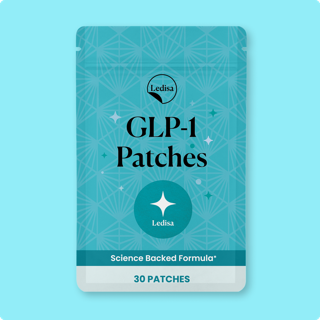
Ledisa's GLP-1 Patch is built around one job: supporting appetite control as part of a balanced routine. It pairs a clearly disclosed formula with genuinely clean ingredients ("no fillers", vegan, gluten- and latex-free) on a patch that's comfortable enough to wear all day. The people who used it most consistently were the ones who described feeling steadier between meals and less driven by snack cravings — and, tellingly, most kept reordering.
What we liked
- Supports natural appetite control
- Fully disclosed formula · no fillers
- Vegan · gluten- & latex-free
- Gentle daily wear · 90-day guarantee
Worth noting
- It's a supplement, not a shortcut — habits still matter
- Best results came with consistent daily use
Why a patch instead of a pill?
If the goal is steadier appetite signals through the day, consistency is everything — and consistency is exactly where pills tend to fail people. You forget the mid-meal dose, you skip a day, the routine slips. Because a patch releases its ingredients gradually through the skin across the day, there's nothing to remember at lunch and nothing to swallow. You put it on in the morning and get on with your life.
That gradual, all-day delivery is the whole point: appetite support that's working quietly in the background when those mid-afternoon cravings would normally hit — without a pill bottle on your desk.
Patch vs. pills vs. willpower alone
| Approach | Convenience | Day-long consistency | Gentleness |
|---|---|---|---|
| Appetite-support patch | Wear & forget | Gradual, all day | Gentle daily wear |
| Pills / capsules | Remember each dose | Depends on timing | Can be hard on the stomach |
| Willpower only | Constant effort | Fades by afternoon | Tiring to sustain |
What readers told us
"I used to graze all afternoon without even thinking about it. Since I started wearing the patch I feel satisfied longer after lunch and I'm just not reaching for snacks the same way. It's one less thing to think about."
"What I like is that there's no pill to remember — I put it on with my coffee and forget it. My cravings in the evening feel a lot more manageable. I just kept reordering."
Try it with a 90-day guarantee
The Ledisa GLP-1 Patch is backed by a 90-day, no-questions-asked money-back guarantee — long enough to give a daily appetite-support routine a fair trial. If it isn't for you, you're covered.
See Today's Offer on the Official Site Current promotion applied automatically at checkoutAdvertising disclosure: This is a sponsored editorial. The Wellness Desk may receive compensation when you purchase products featured on this page, which supports our research. Opinions and observations are provided for informational purposes only.
Health disclaimer: These statements have not been evaluated by the Food and Drug Administration. This product is a dietary supplement and is not intended to diagnose, treat, cure, or prevent any disease. The Ledisa GLP-1 Patch is intended to support healthy eating habits and natural appetite control as part of a balanced lifestyle. It is not a weight-loss treatment, drug, or substitute for diet and exercise. Individual results vary. Consult your physician before beginning any supplement, especially if you are pregnant, nursing, taking medication, or managing a health condition.
Reviews quoted are from verified customers; names may be shortened for privacy. "Ledisa" and other brand names are the property of their respective owners.